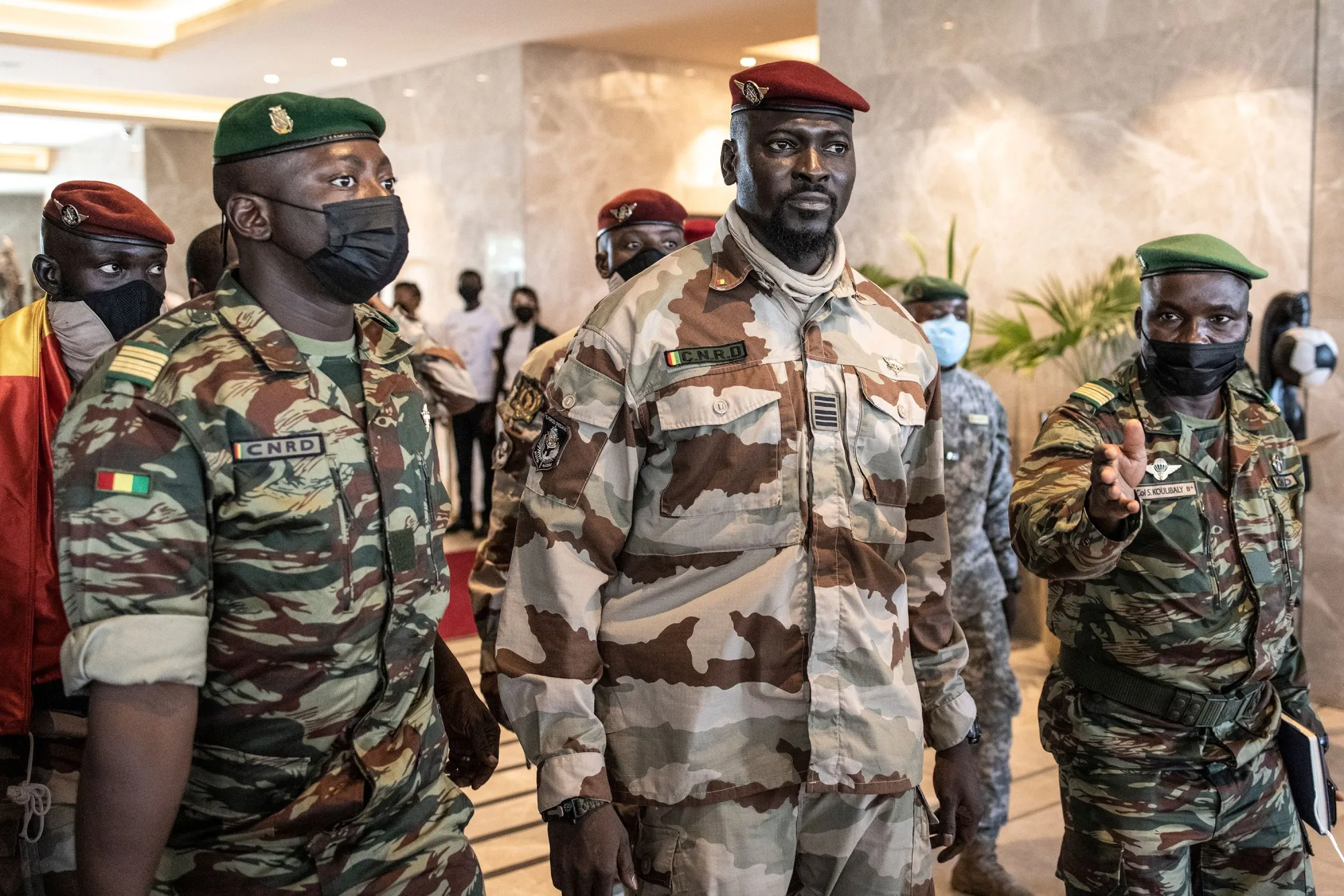
Guinea coup leader Mamady Doumbouya is expected to coast to victory in a presidential election on Sunday, buoyed by the launch of a long-awaited iron ore mega-mine and weak competition from a fragmented field of challengers.
Four years ago, Doumbouya, then a special forces commander, ousted President Alpha Conde in one of nine coups that have roiled West and Central Africa since 2020.
He initially vowed not to run for office, but a new constitution approved in September removed language that would have barred him and extended the presidential term from five to seven years.
Conde and longtime opposition leader Cellou Dalein Diallo are in exile, and other potential challengers were disqualified for failing to submit the required documents. That leaves eight challengers who are unlikely to give Doumbouya much trouble.
“Let’s not kid ourselves: there can be no other opponent who can challenge him,” said Guinean political analyst Bella Bah. “But that’s not the most important thing. (After the election) the president needs to take a step back and realise that he now has to exercise power,” Bah added, urging Doumbouya to engage in dialogue with actors beyond the military.
Political debate has been limited under Doumbouya, and civil society groups accuse his government of banning protests, curbing press freedom and restricting opposition activity.
Conde and longtime opposition leader Cellou Dalein Diallo are in exile, and other potential challengers were disqualified for failing to submit the required documents. That leaves eight challengers who are unlikely to give Doumbouya much trouble.
“Let’s not kid ourselves: there can be no other opponent who can challenge him,” said Guinean political analyst Bella Bah. “But that’s not the most important thing. (After the election) the president needs to take a step back and realise that he now has to exercise power,” Bah added, urging Doumbouya to engage in dialogue with actors beyond the military.
Political debate has been limited under Doumbouya, and civil society groups accuse his government of banning protests, curbing press freedom and restricting opposition activity.