By Mohammed Idris, fnipr
The last time a Nigerian leader paid a state visit to the United Kingdom, seventy percent of Nigeria’s current population were not yet born. That 1989 visit by military President Ibrahim Babangida went as expected – a grand event hosted by Queen Elizabeth and Prince Philip.
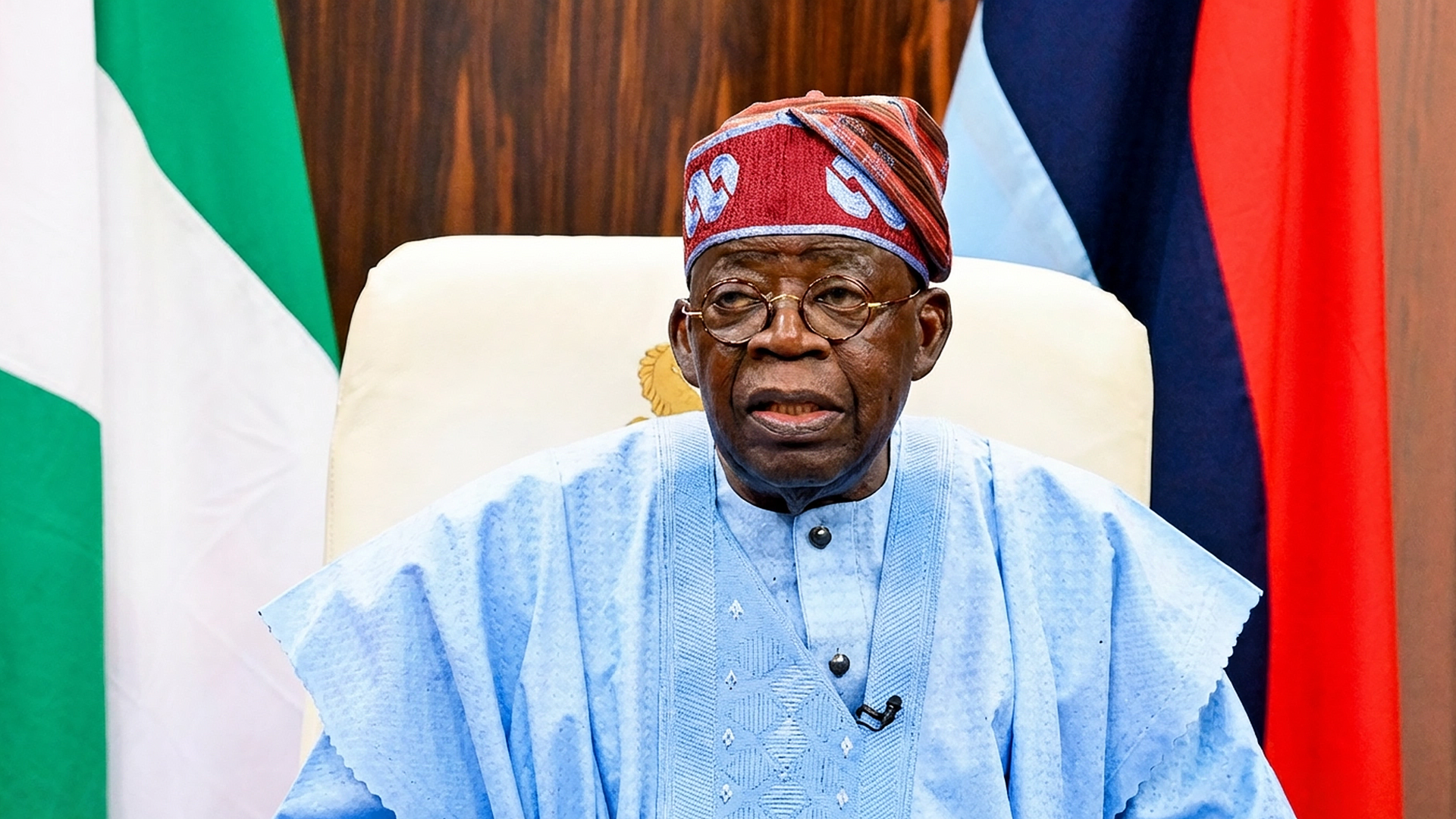
Thirty-seven years later – and sixty-six years after Nigeria gained its independence from the UK – it has fallen upon President Tinubu to be received at Windsor Castle, by King Charles and Queen Camilla. He will be the first Nigerian leader hosted at Windsor Castle; all four previous leaders were received by the late Queen at Buckingham Palace.
President Tinubu arrives as the leader of Africa’s largest economy and one of the UK’s most important trading and commercial partners on the continent. Under his watch, the Nigeria-UK relationship has deepened considerably; in November 2024, both countries agreed to elevate ties to the level of a Strategic Partnership, anchored on six pillars: growth and jobs; enhanced mutual national security; migration, justice and home affairs; strengthening international collaboration; a modernised development partnership; and sustained people-to-people links.
Nigeria’s ties with the UK stretch further back than with any other country, shaped by our shared colonial history. So much of what defines our systems today remains a British legacy – from our official language to the legal system and civil service traditions. But while these historical ties are valuable, this visit is not about looking back. It is about forging ahead: strengthening a mutually beneficial partnership anchored in trade, investment, and respect.
The world keeps changing, and bilateral relations must evolve with it. Our main areas of shared interest today span trade, security, anti-corruption, environmental sustainability, and humanitarian assistance.
Among President Tinubu’s most consistent messages – at home and abroad – is that Nigeria is open for business. Equally important is the story of how far Nigeria has come since he launched an unprecedented reform agenda upon taking office in May 2023: fiscal and business environment reforms that have stabilised the currency, significantly reduced inflation, and more. His meetings with British business leaders will reinforce this message – the reforms are real, the trajectory is upward, and the opportunities are significant.
Nigeria sits on Africa’s largest gas reserves, a resource whose strategic value has grown sharply given today’s volatile geopolitical climate. The UK is itself a petroleum economy, making it a natural partner at the intersection of global energy security and the clean energy transition. There are abundant opportunities for both countries to align on financing, technology, and policy frameworks.
President Tinubu will also meet with the Nigerian diaspora in the UK – one of the world’s largest and most vibrant, represented across every sphere of British society, including at the highest levels of its politics. Nigerians in the diaspora are renowned for their remittances, which have been known to annually outpace foreign direct investment. But they are far more than remittance senders. They are strategic partners in Nigeria’s development, and our most effective bridges to the world.
On security, Nigeria and the UK share converging interests. Last July, we held our third Security and Defence Partnership Dialogue in London. This visit offers a further opportunity to translate existing frameworks into operational results, as Nigeria intensifies efforts to decisively address the ongoing threats of terrorism, banditry, kidnapping, and farmer-herder conflicts.
For President Tinubu, every foreign engagement serves an overarching domestic purpose: advancing the Renewed Hope agenda, with its eight ambitious pillars, and the ultimate goal of a one-trillion-dollar economy by 2030. This will be his fourth visit to a leading European economy, after an official visit to Germany in November 2023, and state visits to France in November 2024 and Turkey in January 2026. Foreign engagement under President Tinubu is purposeful, and it shows.
When Nigeria leads, Africa pays attention. Our continental role spans digital trade advocacy, securing the Gulf of Guinea, and providing sea-lift services to African Union peacekeeping and humanitarian missions. Just four months ago, Nigeria led the successful effort that helped sustain democracy in the Republic of Benin. Nigeria’s standing is high and rising – and this state visit will further consolidate our place in the world.
The work, of course, does not end when the plane lands. Follow-through is everything. Nigeria is committed to ensuring that every commitment made and every connection forged during this visit translates into concrete outcomes in the months and years ahead.